How Buying an Established Social Media Account Works: Escrow, Transfer, and What to Check
Buying a grown account compresses years of audience-building into one transaction — and one afternoon of risk. Here is the anatomy of a safe purchase: verification, escrow, credential transfer, and the 30 days after.
5 min readIndustry News
On this page
- Why people buy accounts at all
- Phase 1 — verification before listing
- Phase 2 — protected payment
- Phase 3 — the transfer itself
- Phase 4 — the 30 days after
- What to check before paying, anywhere
- How established accounts are priced
- The scams the process exists to stop
- Frequently asked questions
- Is buying a social media account allowed by the platforms?
- What's a fair price per 1,000 followers for an account?
- How long does a full transfer take?
- What happens if the account gets banned right after purchase?
The short answer: a safe account purchase has four phases — verification of the listing before it's ever shown, a payment path where funds are protected until access is confirmed, a staged credential transfer (login, email, recovery methods, connected apps), and a support window afterward for the things that only surface later. If a marketplace can't describe all four, that's the signal to leave.
Why people buy accounts at all
An established account is compressed time: the audience, the content history, the algorithmic standing, and (on monetized accounts) the revenue rails already exist. For a brand entering a niche, buying a 6-figure-follower account can cost less than a year of ads — which is exactly why the space attracts both serious sellers and scammers, and why process is everything.
Phase 1 — verification before listing
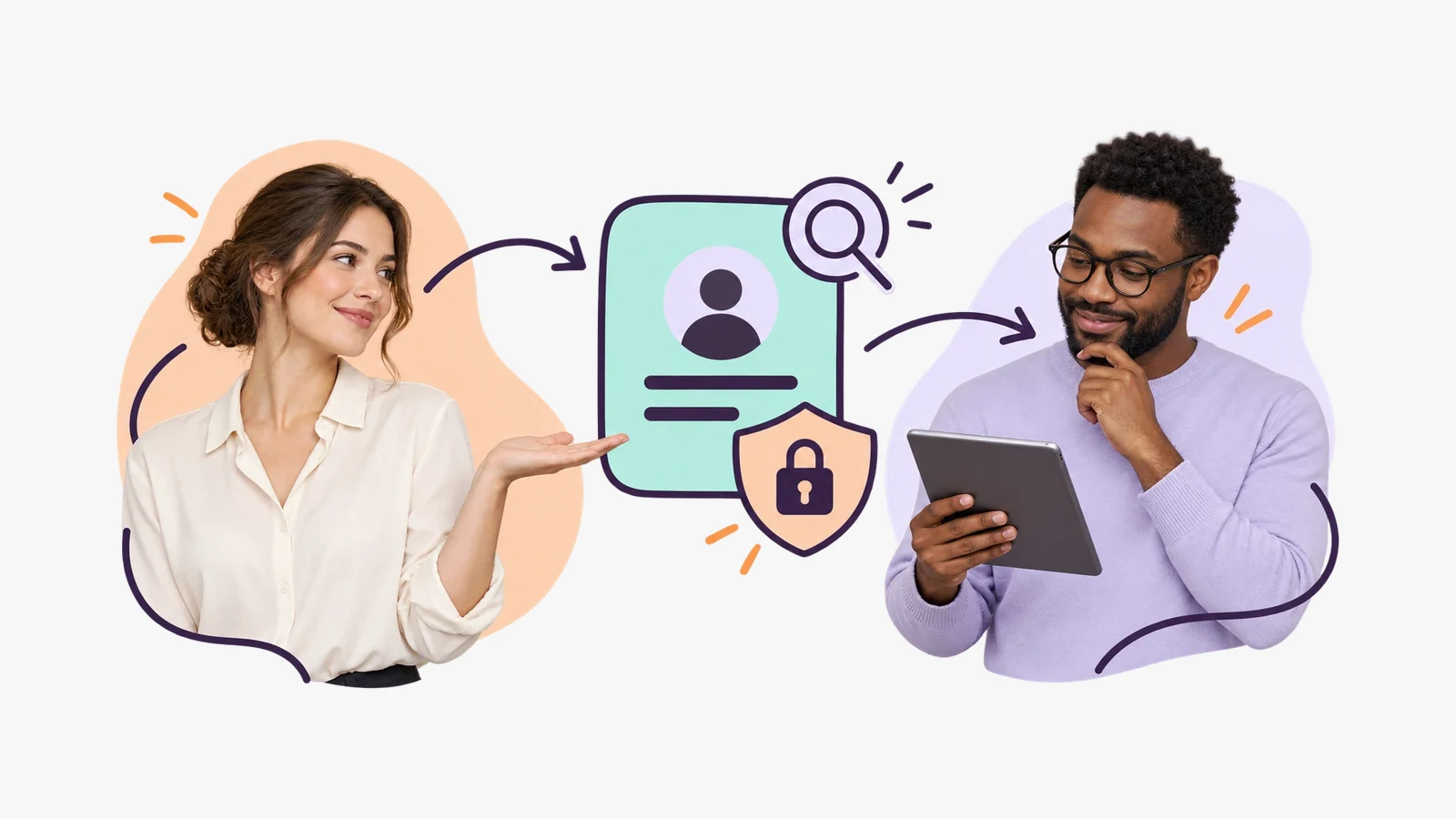
On our accounts marketplace, a person — not a scraper — checks three things before a listing goes live: proof of ownership (photo ID matched to working account access), the metrics behind the screenshots (follower-growth shape, audience geography, engagement rate against the niche median), and compliance (anything about the account that could bounce post-sale, from platform rules to trademark problems). Roughly, the question is: would we buy this ourselves?
Phase 2 — protected payment
Larger purchases route through third-party escrow: the money is parked until the buyer confirms full access. That single mechanism removes the classic scam in both directions — the seller can't take payment and vanish, the buyer can't take credentials and reverse the charge. For any high-value account, treat escrow as non-negotiable, whoever you buy from.
Phase 3 — the transfer itself
A complete transfer is more than a password. The checklist: login credentials, the email address on the account (transferred or replaced), phone and two-factor methods re-bound to the buyer, recovery codes regenerated, third-party app connections reviewed, and — on monetized accounts — payout details rebound. Skipping any of these leaves the seller a way back in.
Phase 4 — the 30 days after
Real problems surface late: an audience-security re-authentication, a recovery prompt to an old device, a platform flag on the ownership change. Our transfers include 30 days of support from the same person who ran the handoff, because that's the window where those things appear. When buying elsewhere, ask what happens on day 20 — the answer tells you whether the marketplace is real.
What to check before paying, anywhere
- Engagement shape, not follower count. A 500K account with 0.1% engagement is an empty room with a big sign.
- Growth history. Cliffs and spikes in the follower graph need explanations.
- Audience geography matched to your market — the metric most often hidden.
- Prior name changes — an account that has been five brands is priced by its baggage.
- A transfer process in writing covering everything in Phase 3.
How established accounts are priced
Four inputs move an account's price more than raw follower count: engagement rate against the niche median (the multiplier on everything else), audience geography (Western and Gulf audiences price above global-mixed), niche monetizability (finance and beauty audiences out-price meme audiences at identical sizes), and revenue attached (an account with documented monthly income is priced partly as a business — commonly at a multiple of monthly revenue, with the multiple depending on how transferable that income is). A listing that leads with follower count and hides these four is priced on the wrong thing.
The scams the process exists to stop
The recovery scam: seller transfers, waits a month, uses an old recovery method to reclaim. Beaten by the full Phase-3 checklist — every recovery path rebound to the buyer — plus a support window watching for it.
The inflated-metrics dump: account pumped with purchased followers right before sale. Beaten by growth-graph review during verification; a cliff-shaped spike weeks before listing is the tell.
The chargeback trap (against sellers): buyer takes credentials, reverses payment. Beaten by escrow — which is why serious sellers prefer marketplaces that enforce it as much as buyers should.
Frequently asked questions
Is buying a social media account allowed by the platforms?
Most platforms' terms restrict account sales, and enforcement in practice focuses on spammy, fraudulent, or mass-traded accounts. Buyers reduce risk by transferring gradually (credentials, then email, then branding changes over weeks) and keeping the account's behavior consistent. Any marketplace that pretends the ToS question doesn't exist isn't being straight with you.
What's a fair price per 1,000 followers for an account?
There is no honest flat rate — that's exactly the trap. Two 100K accounts can differ 10x in fair value based on the four pricing inputs above. Valuation starts at engagement and audience, not the follower counter.
How long does a full transfer take?
The credential handoff takes an hour. A prudent full transition — recovery methods, email, payout rails, then gradual rebranding — spreads over days to weeks, which is also the safer pattern for platform scrutiny.
What happens if the account gets banned right after purchase?
This is the question to ask before paying, anywhere. Here, it's what the verification phase exists to prevent (compliance review pre-listing) and what the 30-day window exists to handle if something surfaces anyway. A marketplace with no answer to this question is selling you the risk.
Likes.io's account marketplace lists human-verified accounts with escrow on qualifying orders and 30-day post-transfer support. This article describes the general anatomy honestly; apply it wherever you buy.
The Likes.io content team covers social media growth strategies, platform algorithm updates, and marketing tips for Instagram, TikTok, and YouTube.